
Document legalisation for France — Documents, steps & acceptance checks
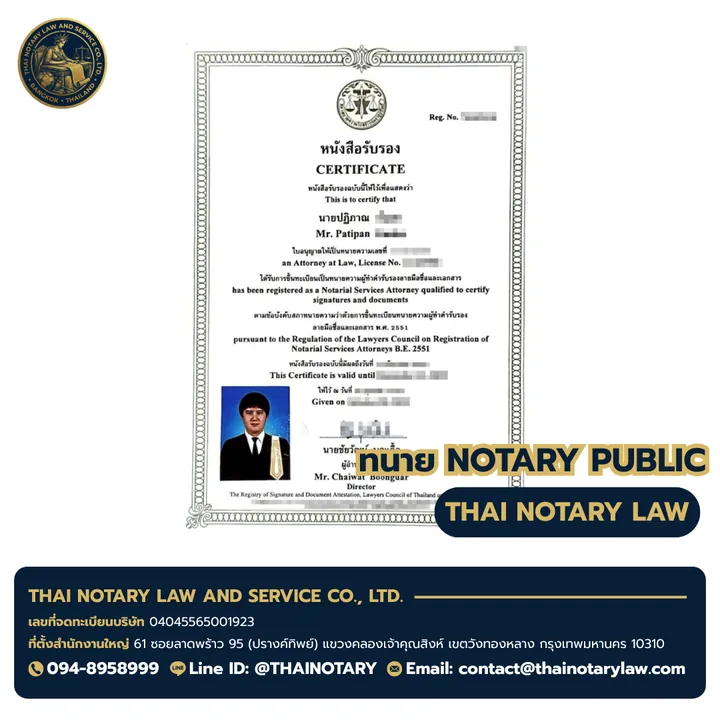
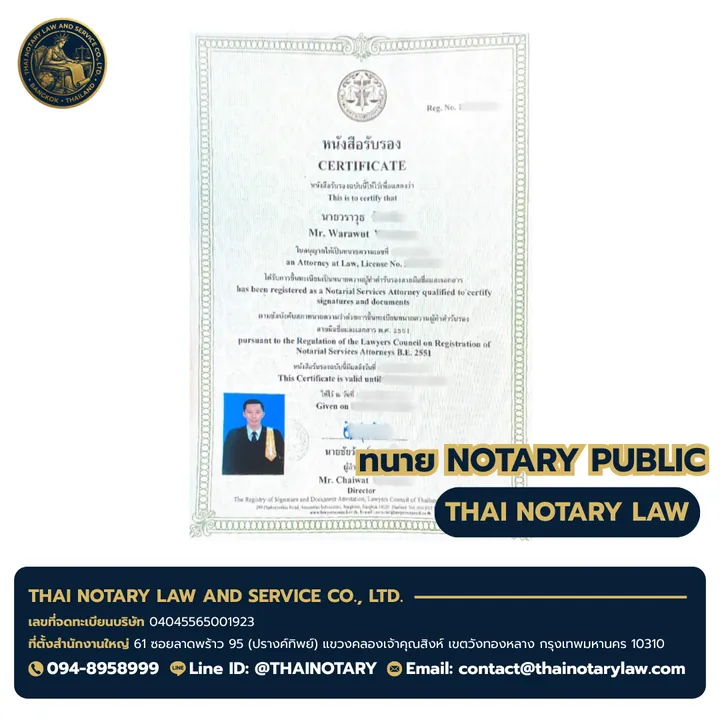
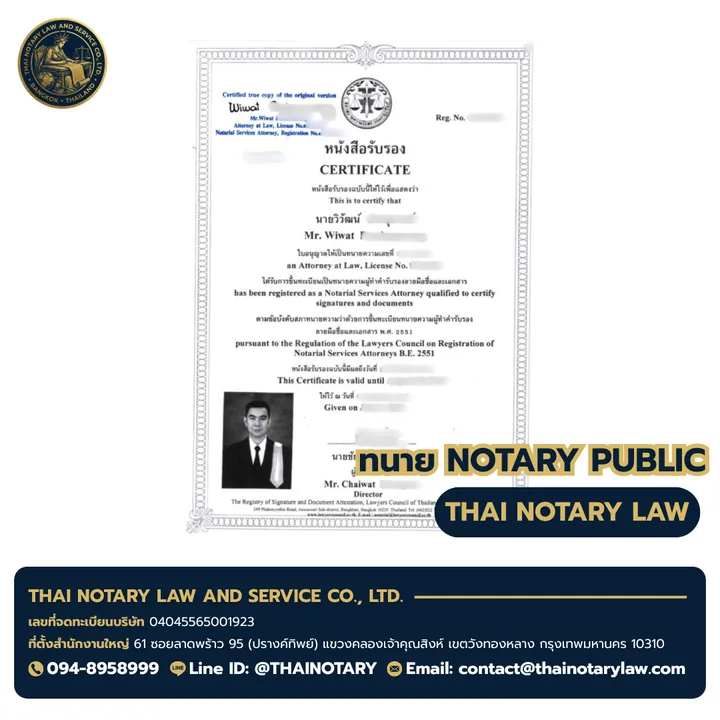
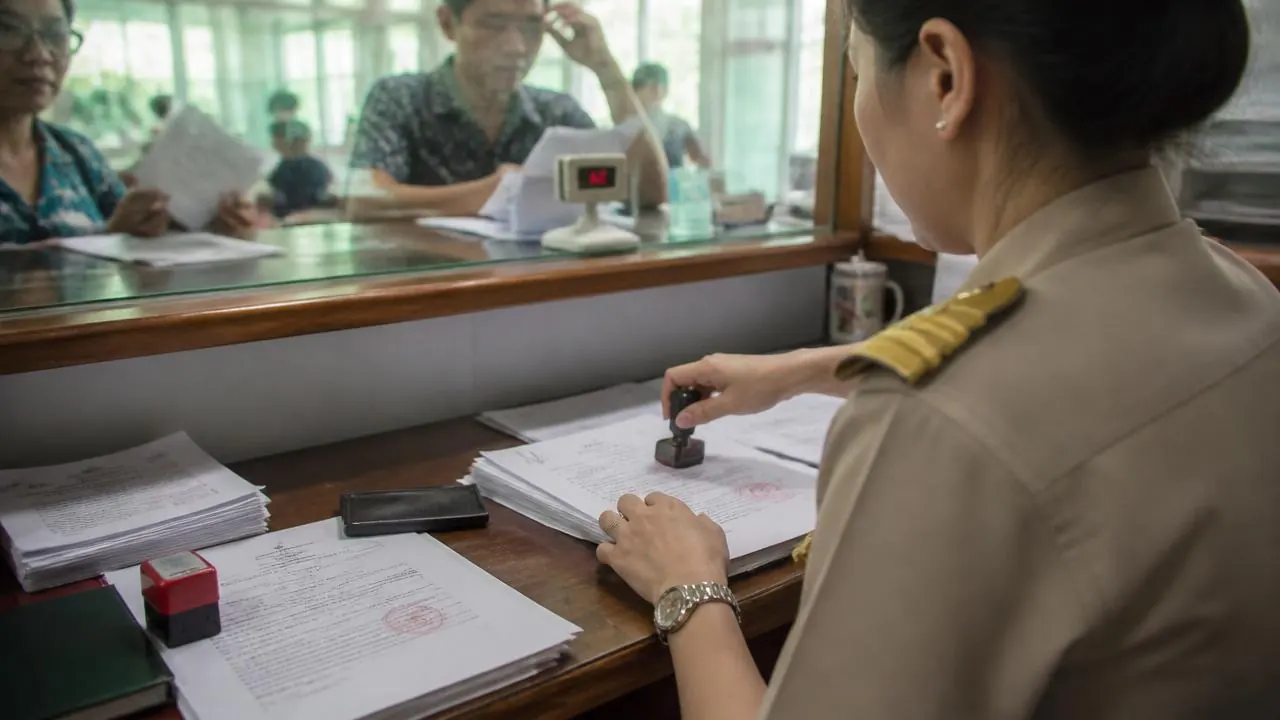
Document legalisation for France: The French Embassy in Thailand explains that, depending on the French rules in force, a foreign document for use in France must carry either legalisation or an Apostille from the local authorities, or may be exempt. Where legalisation applies, the document is first pre-legalised by the Thai authority — for Thai documents, the Ministry of Foreign Affairs Department of Consular Affairs — and then legalised by the French consulate before use in France. Check the French Ministry for Europe and Foreign Affairs table for the document type and confirm with the French recipient. Confirm the named receiving authority’s checklist before arranging certification. The document type, country of issue and intended use determine which steps are needed.
- Service fee
- quoted per case (phone · LINE · email)
- Timing
- Confirmed after file review
Documents to prepare
Prepare the accepted original or issuer-certified copy, passport spelling and the recipient’s country-specific checklist.
Service-specific checks
The French Embassy in Thailand explains that, depending on the French rules in force, a foreign document for use in France must carry either legalisation or an Apostille from the local authorities, or may be exempt. Where legalisation applies, the document is first pre-legalised by the Thai authority — for Thai documents, the Ministry of Foreign Affairs Department of Consular Affairs — and then legalised by the French consulate before use in France. Check the French Ministry for Europe and Foreign Affairs table for the document type and confirm with the French recipient.
Which authentication route applies?
Before 28 February 2027, Thai documents use the existing legalisation route: issuing authority or Notarial Services Attorney when needed → Thai MFA → destination embassy only where required. Not every public document needs notarisation. From 28 February 2027, an Apostille may replace consular legalisation for eligible public documents where the Convention applies between Thailand and the destination. Check objections, exclusions and the recipient’s current rules before filing.
Before sending originals
Check passport spelling, all pages and seals, the recipient’s document-age rule and whether the issuer must send the record directly. Keep a copy of the recipient’s instructions. Avoid sending unrelated sensitive records in the first enquiry.
Fees and authority queues
Service fees depend on document type, translation language, volume and the confirmed route. Government, embassy and courier charges are separate items in the written quote. Authority queues and requests for corrections affect timing; confirm an estimate for the actual file.
Limits of certification
Acceptance and any exemptions are decided by the receiving authority. Authentication does not guarantee a visa, admission, registration or business approval.
Preparation and filing
- 1. Prepare the recipient’s checklist and documents.
- 2. Verify originals, signing requirements and the appropriate certification.
- 3. Confirm the applicable authority steps before submission.
- 4. Review the returned documents against the agreed checklist before delivery.
Questions before filing
Does certification guarantee acceptance?
Acceptance and any exemptions are decided by the receiving authority. Authentication does not guarantee a visa, admission, registration or business approval. No. Authentication verifies a relevant signature or seal, not document contents or eligibility. The receiving authority decides acceptance and may request further evidence.
Can I complete everything by courier?
Not always. Sending scans can help with preliminary review, but signature witnessing requires the signatory’s appearance as required. Original comparison and recipient rules may require original documents. Confirm before posting.