


Property & Real Estate
Title checks, sale and purchase, leases and condominium transfers
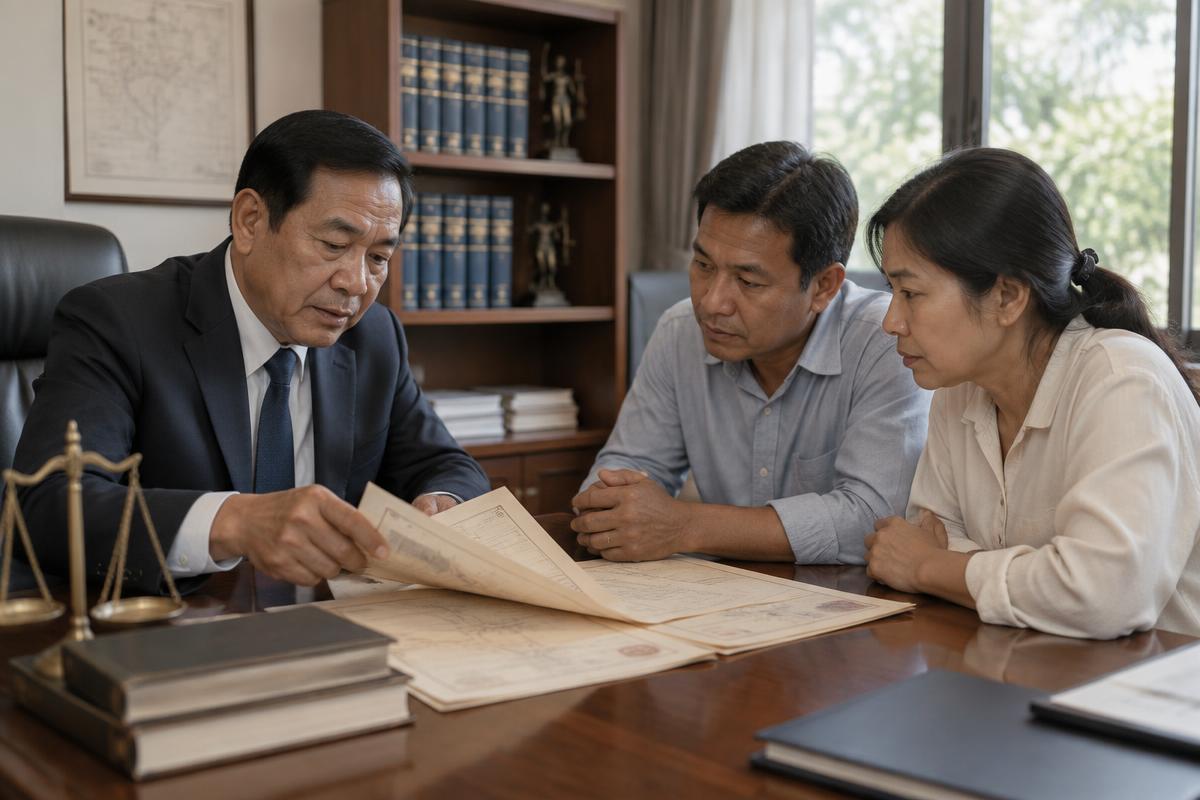
Property work covers checking title and encumbrances at the land office, drafting or reviewing sale, purchase and lease agreements, preparing the transfer documents, and attending the land office on the transfer day. For foreign buyers we confirm what form of ownership or lease is actually available for the property in question before any deposit is paid.
Who this page is for
- Buyers who want title and encumbrances checked before paying a deposit
- Foreign buyers of a condominium unit or a long lease
- Sellers who need the transfer documents and taxes prepared correctly
- Landlords and tenants entering a long-term lease
- Owners in a dispute over boundaries, access or a developer's obligations
What the firm actually handles
- Title and encumbrance searches at the land office
- Reviewing developer contracts, reservation forms and payment schedules
- Drafting sale, purchase and lease agreements
- Advising on foreign ownership, leasehold and condominium rules
- Preparing transfer documents and attending the land office
- Disputes over boundaries, servitudes, access and construction defects
Matters clients bring us
- A buyer wants the title deed verified before signing a reservation form
- A condominium purchase requires the foreign-currency and quota conditions checked
- A long lease needs drafting and registering at the land office
- A developer is late and the buyer wants to know the contractual position
- A seller needs the transfer taxes and fees calculated before agreeing a price
- A neighbour blocks the access route to a plot
Documents to bring to the first meeting
- Title deed or condominium unit title, front and back
- ID card or passport of buyer and seller, plus house registration
- Marriage or divorce records where relevant to consent
- The reservation form, developer contract or draft sale agreement
- Company affidavit and minutes where a company is a party
- Evidence of funds and, for foreign condominium buyers, the transfer records
If some documents are missing, send what you have. The lawyer will tell you which office issues the remaining ones and which documents need certified translation before they can be used.
How the work proceeds
- 1Send the title deed and draft contract for review before you pay a deposit
- 2We search the title and encumbrances at the land office
- 3We report on what the title actually allows and what the contract commits you to
- 4We draft or amend the agreement and the transfer documents
- 5We calculate the fees and taxes payable on transfer
- 6We attend the land office and confirm the record after registration
Pitfalls and common misunderstandings
The deed and the contract must agree
Names, plot numbers, area and encumbrances on the deed regularly differ from the contract. The land office follows the deed and its records, so differences are resolved before transfer day, not on it.
Foreign ownership rules are property-specific
What is available depends on the type of property and the route used. Structures built to work around the rules create risk for the buyer, and we advise on what is actually possible instead.
Deposits paid before due diligence are hard to recover
Reservation forms often make the deposit non-refundable. Reviewing the title and the contract before payment costs far less than trying to unwind the transaction afterwards.
Condominium ownership, long lease and company holding
Foreign buyers usually compare these three routes. They differ in what you actually hold, what documents exist, and what happens at the end.
| Point | Condominium unit ownership | Registered long lease | Holding through a company |
|---|---|---|---|
| What you hold | Unit title in your own name, subject to statutory conditions | Contractual right to use for the registered term | Shares in a company that owns the property |
| Registration | Registered at the land office in the buyer's name | Lease registered on the title for the agreed term | Property registered to the company, not to you |
| Key documents | Unit title, transfer records, condominium documents | Lease agreement and land-office registration | Company documents, minutes, and the property title |
| Ongoing obligations | Common-area fees and condominium rules | Rent and the lease terms | Company accounting, filings and annual meetings |
| Main risk to check | Conditions attached to foreign purchase, including transfer evidence | Terms on renewal, transfer and what happens on the owner's death | Structures created only to hold land can be challenged; take advice first |
Which route is available depends on the specific property and on the buyer's circumstances. Confirm this before paying anything.
Hand the whole matter to the firm
The firm can handle the transaction end to end: the title search, the contract, the tax calculation, the transfer documents and attendance at the land office, plus certified translations or a power of attorney where the buyer or seller cannot attend.
Property & Real Estate: frequently asked questions
- What does a title check actually reveal?
- It confirms the registered owner, the plot or unit details and the area, and shows registered encumbrances such as mortgages, servitudes and usufructs, plus restrictions noted on the record. That is the information the land office will rely on at transfer, so it is checked before a deposit is paid.
- Can a foreigner own land in Thailand?
- Land ownership by foreigners is restricted. Condominium units can be owned in a foreign buyer's name subject to statutory conditions, and long leases are registrable. Structures created solely to work around the land rules carry legal risk, so take advice on what is available for your specific property.
- Who pays the transfer fees and taxes?
- That is a matter of agreement between the parties and should be written into the contract, because several items are involved and they are calculated on assessed or contract value, holding period and the seller's status. Calculate them before agreeing a price rather than at the land office.
- How long can a lease be registered for?
- Thai law caps the registrable term for a lease of immovable property, and anything beyond that term is not registrable as a single lease. Renewal promises are contractual and depend on their wording, so they need careful drafting rather than reliance on a marketing brochure.
- The developer is late. What are my options?
- Start with the contract: the delivery date, the delay provisions and the termination clause decide what you can claim. Keep every payment record and written exchange, because a claim or negotiation will rest on those documents.
- Do I have to attend the land office in person?
- Not necessarily. A properly drafted power of attorney can allow a representative to act, and one signed abroad usually needs certification and a certified Thai translation. Some steps still require the parties themselves, so confirm before booking travel.
- What should be checked before buying off-plan?
- The seller's title to the land, the project approvals, the payment schedule against construction progress, the specification and area tolerance, the delay and termination clauses, and what security exists for your payments. Reservation forms are usually drafted for the developer, not the buyer.
- Is a spouse's consent needed to sell?
- Where the property is marital property, the transaction generally requires the spouse's consent, and the land office will look for it. Marriage and divorce records therefore need to be consistent with the deed before the transfer date.
Practice areas often handled together with this one
- Estates, Wills & Succession
Wills, estate administrators and transferring assets to heirs
- Corporate & Commercial
Company formation, registry changes, contracts and foreign-investment structures
- Litigation & Dispute Resolution
Civil, criminal, labour and administrative matters through to enforcement
Speak with the lawyer responsible for Property & Real Estate
เล่าเรื่องหรือส่งภาพเอกสารมาให้ทีมงานตรวจเบื้องต้น ทนายจะแจ้งแนวทาง เอกสารที่ต้องใช้ กำหนดเวลาที่ต้องระวัง และค่าบริการเป็นลายลักษณ์อักษรก่อนเริ่มงาน