

Practice areas of the firm
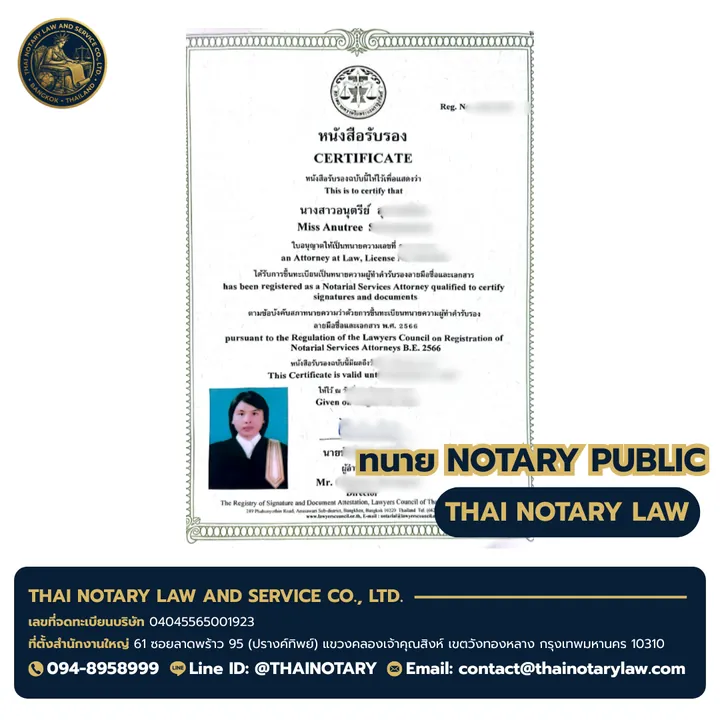
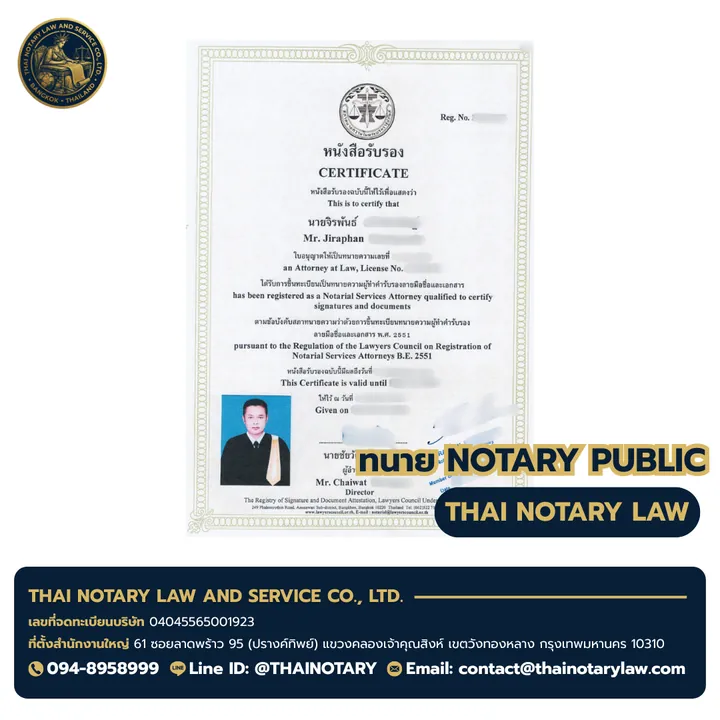
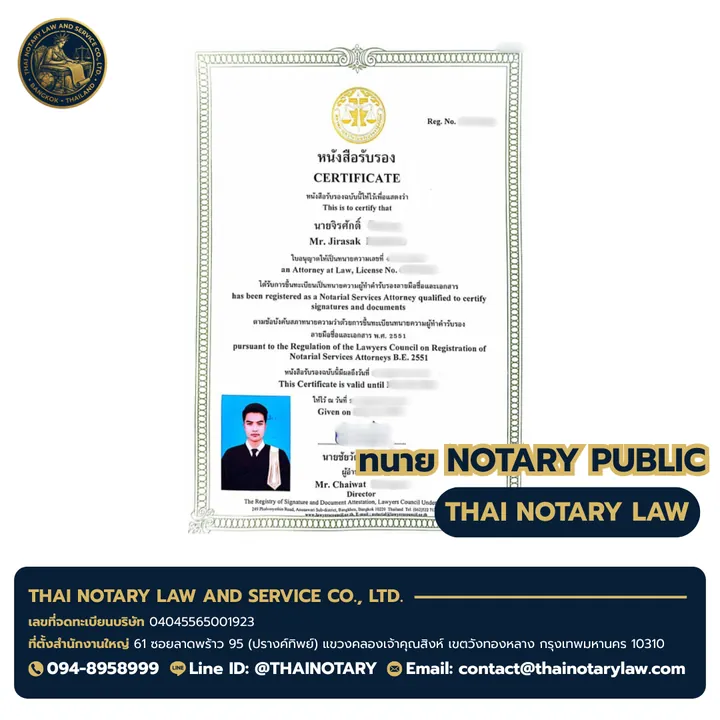
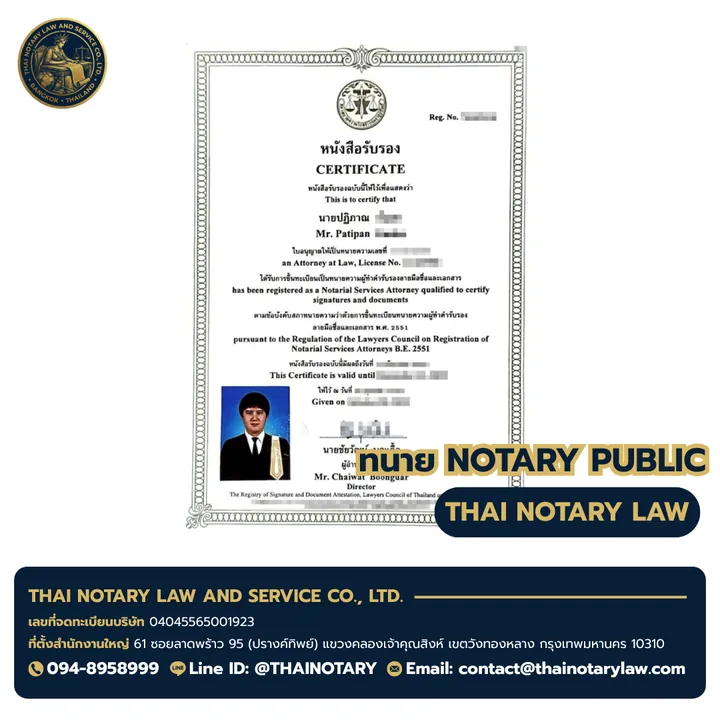
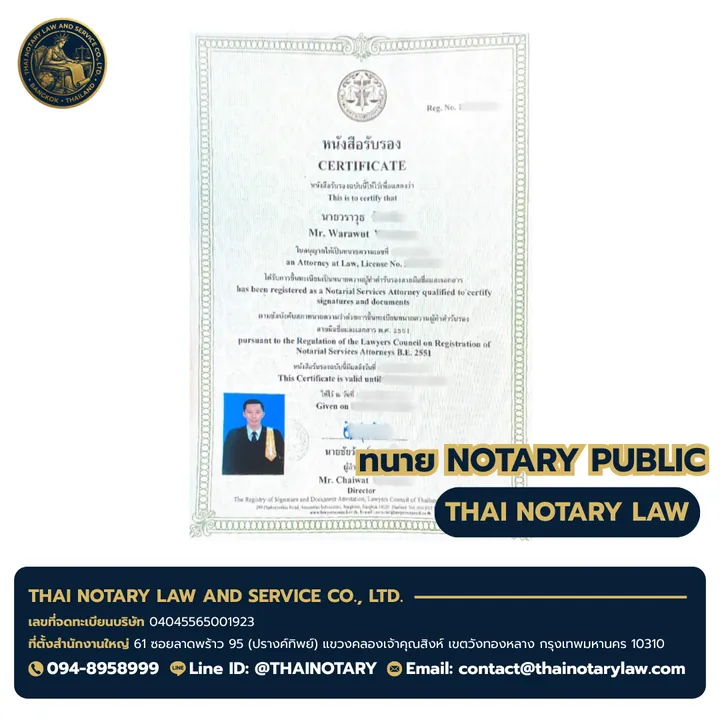
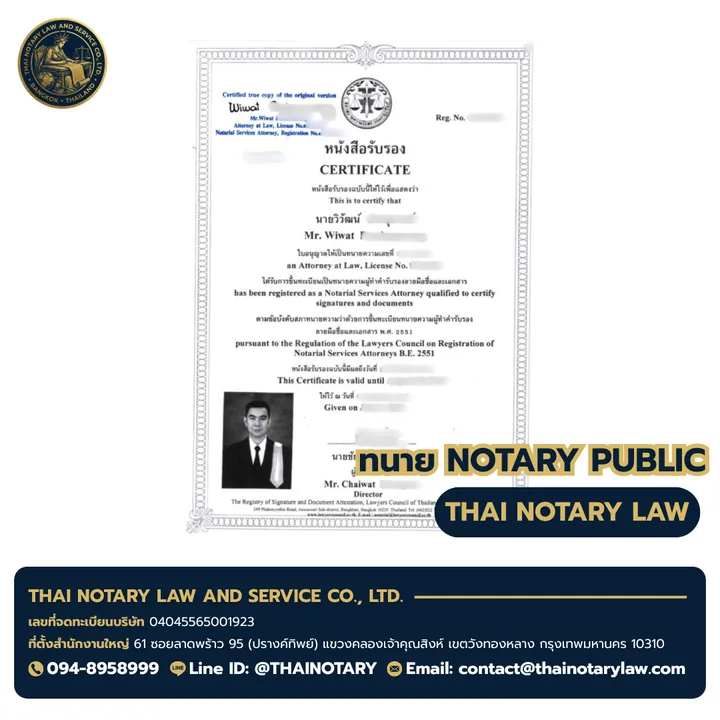
Thai Notary Law & Service handles 10 practice areas through lawyers licensed by the Lawyers Council of Thailand. Each section below states what the firm actually does, the matters clients bring, the documents worth collecting first and the pitfalls we see most often, so you can judge the work before deciding.
Litigation & Dispute Resolution
Civil, criminal, labour and administrative matters through to enforcement
A Thai litigation matter means the firm reviews your evidence, checks the limitation period, drafts and files the complaint or defence, appears at hearings on your behalf, and continues into judgment enforcement if the other side does not pay. We advise before any filing so the approach fits your actual facts and documents. Fees are quoted per matter after we review the file.
Read the full Litigation & Dispute Resolution page — documents, steps, comparison and FAQs →
What the firm handles
- Case assessment: evidence, limitation period and realistic options
- Demand letters, settlement negotiation and mediation
- Drafting and filing complaints, defences, counterclaims and interim applications
- Court appearances and witness examination on your behalf
- Appeals to the Court of Appeal and the Supreme Court
- Asset investigation, seizure, attachment and auction at the enforcement stage
Matters clients bring us
- Breach of a sale, construction or service agreement
- Recovery of loans, guarantees, mortgages and trade debt
- Damages claims arising from accidents or property damage
- Cheque, fraud and misappropriation matters connected to a business
- Unfair dismissal, severance and wage disputes
- Enforcing a final judgment against a debtor who will not pay
Documents to collect first
- Every contract or document showing the legal relationship
- Payment records: transfer slips, receipts, invoices
- Chat logs, emails and correspondence between the parties
- ID card or company affidavit for your own side
- Details of the other party: registered address and any known assets
- Any summons, complaint or earlier case file you have received
Missing documents are normal at this stage. Send what you have and the lawyer will identify the issuing office for the rest.
How the work proceeds
- 1Send your documents and describe what happened so the team can assess the file
- 2The lawyer sets out the options, risks and scope of work in writing
- 3You sign the power of attorney and appointment, and we assemble the evidence
- 4We negotiate, or file the complaint or defence within the limitation period
- 5We appear at hearings, examine witnesses and report after every hearing
- 6We handle appeal or enforcement steps depending on the outcome
Pitfalls to avoid
A missed limitation period cannot be repaired
Each type of claim has its own limitation period and its own starting point. Once it has expired the other side can raise it as a defence, so bring your documents in early rather than after further negotiation.
Filing in the wrong court costs months
Contract, labour, tax, intellectual property, bankruptcy and administrative matters go to different courts, and jurisdiction also depends on domicile and where the events occurred. We confirm this from your documents before filing.
Winning is not the same as being paid
If the other side does not comply with the judgment, enforcement is a separate stage with its own deadlines, filings and asset investigation. Plan for it from the start when the other side's assets are unclear.
Hand the whole matter to the firm
You can hand the whole matter to the firm: one file, one responsible lawyer, and a report after every hearing. Where the case needs certified translations, an interpreter or notarial certification of foreign documents, those are handled in the same office rather than by separate providers.
Corporate & Commercial
Company formation, registry changes, contracts and foreign-investment structures
Corporate work covers incorporating a Thai entity, amending directors and objectives in the registry, drafting and reviewing commercial contracts, structuring shareholdings for foreign investors, and legal due diligence for a purchase or sale. The firm reviews registry documents and contractual risk together, because the two usually create each other's problems. Fees are quoted per matter.
Read the full Corporate & Commercial page — documents, steps, comparison and FAQs →
What the firm handles
- Name reservation, incorporation documents and registry filings
- Amendments: directors, address, objectives, capital, signing authority
- Drafting and reviewing commercial, supply, service and shareholder agreements
- Foreign-investment structuring within the limits of Thai law
- Legal due diligence for share or asset transactions
- Corporate housekeeping: minutes, shareholder registers, annual meetings
Matters clients bring us
- Setting up a Thai company for a first venture or a regional office
- Adding or removing a director and updating signing authority
- Reviewing a distribution or manufacturing agreement before signature
- Checking whether a planned activity is restricted for foreign shareholders
- Preparing a shareholders' agreement between local and foreign partners
- Reviewing a target company's contracts, licences and liabilities before purchase
Documents to collect first
- Passports or ID cards of promoters, directors and shareholders
- Reserved company name, or two or three name options
- Registered address with evidence of the right to use the premises
- Intended business activities described as they will actually be carried out
- Capital structure and the shareholder list
- Existing company affidavit, articles and minutes for an existing entity
Missing documents are normal at this stage. Send what you have and the lawyer will identify the issuing office for the rest.
How the work proceeds
- 1Tell the team what the business will actually do and who will hold shares
- 2We confirm activity restrictions and propose a workable structure
- 3We prepare the incorporation or amendment documents for signature
- 4We file with the registry and follow up until the record is updated
- 5We review or draft the first contracts the company needs to operate
- 6We hand over the document set and flag the annual obligations that follow
Pitfalls to avoid
Objectives that are too narrow block later steps
Registered objectives should cover what the company actually does and what it plans to do soon. Too narrow, and banks, licensing authorities or tender processes ask for amendments first.
Nominee shareholding is a legal risk, not a shortcut
Holding shares through a Thai nominee to work around foreign-ownership limits creates risk for the company and the shareholders. We do not advise that route and instead look for a structure that is lawful for your activity.
Missing minutes surface years later
Annual meetings, resolutions and share transfers all need records. Their absence usually becomes visible at the worst moment: financing, a licence application or the sale of the business.
Hand the whole matter to the firm
The firm can run the whole set-up: name reservation, incorporation documents, registry filing, the first contract templates the company needs, and coordination with accounting and licensing. That keeps the registry record, the contracts and the books consistent with each other.
Family Law
Marriage, prenuptial agreements, divorce, child custody and support
Family work covers registering a Thai-foreign marriage and the supporting documents it requires, prenuptial agreements, divorce by mutual consent or by court judgment, custody and child support, legitimation of a child, and adoption. The firm handles Thai civil-registration documents and foreign documents in the same matter, because most delays come from the foreign side of the file.
Read the full Family Law page — documents, steps, comparison and FAQs →
What the firm handles
- Document preparation for Thai-foreign marriage registration
- Drafting prenuptial agreements and recording them at registration
- Divorce by mutual consent, including the settlement record
- Contested divorce proceedings before the court
- Custody, visitation and child-support arrangements
- Legitimation of a child and adoption procedures
Matters clients bring us
- A foreign fiancé needs an affirmation of freedom to marry translated and legalised
- A couple wants property kept separate before marriage
- Both spouses agree to divorce and need the agreement drafted properly
- One spouse will not agree and the matter must go to court
- A father who was never married to the mother wants legal parental rights
- A Thai divorce judgment needs to be recognised abroad, or the reverse
Documents to collect first
- Passports or ID cards of both parties
- House registration for the Thai party
- Affirmation of freedom to marry, or single-status certificate, for the foreign party
- Marriage certificate, for divorce or property matters
- Birth certificates of any children
- Existing agreements, foreign judgments or registry records relating to status
Missing documents are normal at this stage. Send what you have and the lawyer will identify the issuing office for the rest.
How the work proceeds
- 1Tell the team what outcome you need and in which country it must be valid
- 2We list the documents required on both the Thai and the foreign side
- 3We arrange translation, certification and legalisation where needed
- 4We draft the agreement, petition or registration documents
- 5We attend the district office or the court with you as required
- 6We confirm the registry record and prepare copies for use abroad
Pitfalls to avoid
The foreign document chain sets the timetable
Single-status affirmations, translations and legalisation each take their own time and differ by nationality. Booking a wedding date before that chain is confirmed is the most common source of last-minute problems.
A vague settlement record is hard to enforce
Divorce agreements that do not state amounts, payment dates, custody and visitation precisely often cannot be enforced later. Specific wording is what makes an agreement usable if the other side stops complying.
A foreign divorce does not update the Thai registry by itself
Until the foreign judgment has been translated, certified and recorded through the correct channel, Thai records may still show you as married, which affects later marriage, property and inheritance steps.
Hand the whole matter to the firm
The firm can handle the whole file: the Thai registry documents, the translations and legalisation of the foreign documents, the drafting, and attendance at the district office or the court. Family matters are treated as confidential lawyer-client work throughout.
Estates, Wills & Succession
Wills, estate administrators and transferring assets to heirs
Estate work covers drafting a will in a valid form, petitioning the court to appoint an estate administrator, collecting and transferring estate assets such as land, bank accounts and shares, and managing disagreements between heirs. The firm checks civil-registration records and asset documents before setting the order of steps, because banks and land offices each ask for different proof.
Read the full Estates, Wills & Succession page — documents, steps, comparison and FAQs →
What the firm handles
- Drafting wills in a form that meets Thai requirements
- Petitioning the court for appointment of an estate administrator
- Collecting estate assets and dealing with banks and the land office
- Transferring land, deposits, vehicles and shares to the heirs
- Advising on heir classes and shares where there is no will
- Representing heirs where the division is contested
Matters clients bring us
- A bank will not release a deceased parent's account without a court order
- Land held in the deceased's name must be transferred to several heirs
- A will exists but its form or witnesses are being questioned
- An heir abroad cannot attend and needs to appoint a representative
- Company shares form part of the estate and must be transferred
- Heirs disagree about who should be appointed administrator
Documents to collect first
- Death certificate of the deceased
- House registration and ID card of the deceased and of the heirs
- Marriage or divorce records and birth certificates showing the family line
- The original will, if one exists
- Title deeds, bank passbooks, share certificates and vehicle registrations
- Consent letters from heirs who are not the petitioner, where available
Missing documents are normal at this stage. Send what you have and the lawyer will identify the issuing office for the rest.
How the work proceeds
- 1Bring the death certificate, family records and a list of known assets
- 2We map the heirs and confirm which assets need a court order
- 3We prepare the petition and gather the heirs' consents
- 4We file with the court with jurisdiction and attend the hearing
- 5Once the order is issued, we deal with banks and the land office
- 6We complete the transfers and hand over the closing documents
Pitfalls to avoid
A will in the wrong form can fail entirely
Thai law recognises several forms of will, each with its own requirements for witnesses and signatures. A will that does not meet the requirements of the form it purports to use is open to challenge exactly when it matters.
Family records decide who counts as an heir
Marriage records, legitimation and adoption all change the heir list. Where those records are incomplete or inconsistent, the petition stalls until the civil-registration documents are corrected or obtained.
Each asset holder has its own requirements
Banks, the land office and company registrars each ask for a different combination of the court order, identification and consents. Collecting them in one pass is faster than discovering the gaps one institution at a time.
Hand the whole matter to the firm
The firm can handle the estate from the first document check through to the final transfer: the petition, the hearing, the bank and land-office steps, and the certified translations or powers of attorney needed for heirs abroad.
Property & Real Estate
Title checks, sale and purchase, leases and condominium transfers
Property work covers checking title and encumbrances at the land office, drafting or reviewing sale, purchase and lease agreements, preparing the transfer documents, and attending the land office on the transfer day. For foreign buyers we confirm what form of ownership or lease is actually available for the property in question before any deposit is paid.
Read the full Property & Real Estate page — documents, steps, comparison and FAQs →
What the firm handles
- Title and encumbrance searches at the land office
- Reviewing developer contracts, reservation forms and payment schedules
- Drafting sale, purchase and lease agreements
- Advising on foreign ownership, leasehold and condominium rules
- Preparing transfer documents and attending the land office
- Disputes over boundaries, servitudes, access and construction defects
Matters clients bring us
- A buyer wants the title deed verified before signing a reservation form
- A condominium purchase requires the foreign-currency and quota conditions checked
- A long lease needs drafting and registering at the land office
- A developer is late and the buyer wants to know the contractual position
- A seller needs the transfer taxes and fees calculated before agreeing a price
- A neighbour blocks the access route to a plot
Documents to collect first
- Title deed or condominium unit title, front and back
- ID card or passport of buyer and seller, plus house registration
- Marriage or divorce records where relevant to consent
- The reservation form, developer contract or draft sale agreement
- Company affidavit and minutes where a company is a party
- Evidence of funds and, for foreign condominium buyers, the transfer records
Missing documents are normal at this stage. Send what you have and the lawyer will identify the issuing office for the rest.
How the work proceeds
- 1Send the title deed and draft contract for review before you pay a deposit
- 2We search the title and encumbrances at the land office
- 3We report on what the title actually allows and what the contract commits you to
- 4We draft or amend the agreement and the transfer documents
- 5We calculate the fees and taxes payable on transfer
- 6We attend the land office and confirm the record after registration
Pitfalls to avoid
The deed and the contract must agree
Names, plot numbers, area and encumbrances on the deed regularly differ from the contract. The land office follows the deed and its records, so differences are resolved before transfer day, not on it.
Foreign ownership rules are property-specific
What is available depends on the type of property and the route used. Structures built to work around the rules create risk for the buyer, and we advise on what is actually possible instead.
Deposits paid before due diligence are hard to recover
Reservation forms often make the deposit non-refundable. Reviewing the title and the contract before payment costs far less than trying to unwind the transaction afterwards.
Hand the whole matter to the firm
The firm can handle the transaction end to end: the title search, the contract, the tax calculation, the transfer documents and attendance at the land office, plus certified translations or a power of attorney where the buyer or seller cannot attend.
Employment & Labour
Employment contracts, work rules, termination and Labour Court disputes
Employment work covers drafting employment contracts and work rules, advising on lawful termination and severance, handling restructuring and transfers, and representing either side in Labour Court proceedings. Most disputes we see come from documents that were never signed or never updated, so the firm reviews the paperwork before advising on any termination.
Read the full Employment & Labour page — documents, steps, comparison and FAQs →
What the firm handles
- Drafting employment contracts, probation terms and job descriptions
- Preparing and updating work rules and employee handbooks
- Advice on warnings, disciplinary process and lawful termination
- Calculating severance and other statutory payments
- Restructuring, business transfers and mutual-separation packages
- Representation in Labour Court claims and settlement negotiation
Matters clients bring us
- An employer wants a bilingual contract that matches actual practice
- A poor-performance dismissal must be documented properly first
- An employee claims unfair dismissal and unpaid severance
- A company closing a department needs a lawful process
- A non-compete and confidentiality clause needs enforceable wording
- A foreign employee's contract must fit their work-permit conditions
Documents to collect first
- Employment contract and any amendments
- Work rules, handbook and acknowledgement records
- Payslips and payroll records for the relevant period
- Warning letters, performance records and meeting minutes
- Termination letter or resignation letter, if any
- Company affidavit and the authorised signatory's details
Missing documents are normal at this stage. Send what you have and the lawyer will identify the issuing office for the rest.
How the work proceeds
- 1Send the contract, work rules and payroll records for review
- 2We identify what the documents support and where the gaps are
- 3We advise on the lawful process and prepare the necessary letters
- 4We handle negotiation or mediation where a settlement is realistic
- 5We file or defend the Labour Court claim if no settlement is reached
- 6We report after each hearing and advise on enforcement or compliance
Pitfalls to avoid
Undocumented performance problems are hard to rely on
Where a dismissal is based on performance or conduct, the records made at the time carry the weight. Warnings written after the decision rarely help and often make the position worse.
Work rules must reflect actual practice
Rules copied from a template and never applied create inconsistency between the document and reality. That inconsistency is what disputes are built on, so update the rules when practice changes.
Severance is not the only payment to consider
Depending on the circumstances there may be notice, unused annual leave and other statutory items. Calculating only one of them is a frequent cause of a claim after an otherwise agreed separation.
Hand the whole matter to the firm
The firm can take the whole employment file: contracts and work rules, the process for a specific termination, negotiation, and representation before the Labour Court, together with certified translations where foreign employees are involved.
Tax
Tax planning, filings, audits and appeals
Tax work covers reviewing a company's or an individual's tax position, structuring transactions before they are signed, dealing with Revenue Department enquiries and audits, and filing objections or appeals against assessments. The firm works from the underlying contracts and accounting records, because the tax treatment follows the documents rather than the intention.
Read the full Tax page — documents, steps, comparison and FAQs →
What the firm handles
- Review of corporate and personal tax positions
- VAT, withholding tax and stamp-duty treatment of specific transactions
- Tax structuring for share, asset and property transactions
- Responding to Revenue Department enquiries and audits
- Objections and appeals against assessments
- Cross-border payments and double-tax-treaty analysis
Matters clients bring us
- An assessment arrives and the deadline to object is running
- Withholding on service payments to an overseas supplier is unclear
- A share sale needs its tax consequences confirmed before signature
- A property transfer needs the fees and taxes calculated in advance
- Intercompany charges need supporting documentation
- An individual moving to Thailand needs their residence position reviewed
Documents to collect first
- Company affidavit and financial statements for the relevant years
- Tax returns and filing receipts
- The contracts and invoices underlying the transactions in question
- Bank statements evidencing the payments
- Any assessment, enquiry letter or audit correspondence received
- Withholding certificates and VAT records
Missing documents are normal at this stage. Send what you have and the lawyer will identify the issuing office for the rest.
How the work proceeds
- 1Send the assessment or the transaction documents and the filings
- 2We analyse the treatment against the contracts and the records
- 3We set out the position, the exposure and the available options
- 4We prepare the response, objection or appeal within the deadline
- 5We deal with the officer or the appeal body on your behalf
- 6We advise on documentation changes so the same issue does not recur
Pitfalls to avoid
Objection deadlines are short and strict
An assessment carries a limited window to object. Losing that window narrows the options considerably, so the letter should reach a lawyer as soon as it arrives rather than after internal discussion.
The contract wording drives the tax treatment
How a payment is described in the contract and the invoice affects withholding, VAT and deductibility. Fixing the wording before signature is far cheaper than arguing about substance during an audit.
Supporting documents matter as much as the return
Deductions and treaty benefits typically depend on documentation held at the time. Reconstructing it after an enquiry begins is rarely as persuasive as records kept contemporaneously.
Hand the whole matter to the firm
The firm can handle the tax file alongside the corporate and contractual work, so the documents, the filings and the response to the Revenue Department are consistent rather than prepared by separate advisers.
Intellectual Property
Trademarks, copyright, trade secrets and enforcement
IP work covers trademark availability searches and filings, responding to registry objections and oppositions, protecting copyright and trade secrets by contract, licensing and assignment, and taking action against infringement. The firm searches before filing, because a rejected application is slower and costlier to fix than a name changed at the outset.
Read the full Intellectual Property page — documents, steps, comparison and FAQs →
What the firm handles
- Trademark availability searches and class selection
- Filing, prosecution and responses to objections and oppositions
- Renewals, assignments and recordal of changes
- Copyright ownership, works-for-hire and assignment documentation
- Trade-secret and confidentiality frameworks
- Enforcement: warning letters, takedowns and court proceedings
Matters clients bring us
- A new brand needs clearance before launch and packaging print
- A registry objection cites a similar earlier mark
- A freelancer's work must be assigned to the company that paid for it
- A distributor is using the brand beyond the licence terms
- Counterfeit goods appear on an online marketplace
- A franchise package needs its IP terms drafted
Documents to collect first
- The mark: wordmark, logo file and any variants used
- A description of the goods or services actually offered
- Applicant details: company affidavit or passport or ID card
- Evidence of earliest use: packaging, invoices, advertising
- Existing registrations abroad and any priority claim documents
- Contracts with creators, agencies, employees and distributors
Missing documents are normal at this stage. Send what you have and the lawyer will identify the issuing office for the rest.
How the work proceeds
- 1Send the mark and the list of goods or services you actually offer
- 2We search availability and advise on classes and risk
- 3We file the application and monitor the registry
- 4We respond to any objection or opposition within the deadline
- 5We record renewals, assignments and changes as needed
- 6We act on infringement with warning letters, takedowns or proceedings
Pitfalls to avoid
Rights are territorial
A registration obtained abroad does not by itself protect the mark in Thailand. Filing locally, in the classes matching your actual activity, is what supports enforcement here.
Descriptive marks are hard to register and hard to enforce
Names that merely describe the goods or services often face objections, and even when registered they are weak against similar names. A distinctive element makes both registration and enforcement realistic.
Paying for work is not the same as owning it
Without an assignment or the right contractual wording, copyright in commissioned work may not sit with the business that paid for it. Fixing this after a dispute or an investment round starts is much harder.
Hand the whole matter to the firm
The firm can manage the IP portfolio alongside the commercial contracts: searches and filings, the licence or assignment wording, and enforcement where infringement occurs, including certified translations of foreign registrations.
Notarial Services & International Documents
Notarial Services Attorney, certified translation and legalisation for use abroad
This practice covers certification by a Notarial Services Attorney, certified translation, and legalisation of documents so they can be used abroad — or so foreign documents can be used in Thailand. The order of the steps is what usually goes wrong: the receiving authority's requirement is confirmed first, then translation, certification and legalisation follow in the sequence that authority accepts.
What the firm handles
- Certification of signatures, copies and declarations by a Notarial Services Attorney
- Certified translation of Thai and foreign documents
- Legalisation through the channel the receiving authority requires
- Powers of attorney and affidavits for use abroad
- Corporate document sets for overseas filings and transactions
- Advice on the correct sequence for a specific destination country
Matters clients bring us
- A university abroad requires certified copies of a transcript and degree
- A power of attorney must be signed in Thailand and used overseas
- Company documents are needed for an overseas bank or registry
- An affidavit is required for an immigration or court process abroad
- A foreign marriage or birth certificate must be used in Thailand
- A document was rejected because the steps were done in the wrong order
Documents to collect first
- The original document, plus the copies to be certified
- Passport or ID card of the person signing
- The receiving authority's written requirement, if you have it
- The destination country and the purpose of use
- Company affidavit and authority documents, for corporate documents
- Any previous certification or translation already obtained
Missing documents are normal at this stage. Send what you have and the lawyer will identify the issuing office for the rest.
How the work proceeds
- 1Tell us the destination country, the receiving authority and the purpose
- 2We confirm the form of certification that authority accepts
- 3We prepare the certified translation where one is needed
- 4The Notarial Services Attorney certifies the signature, copy or declaration
- 5We arrange legalisation through the required channel
- 6We hand over the completed set with copies for your records
Pitfalls to avoid
Confirm the requirement before starting
Different countries and institutions accept different forms and sequences. Starting without the receiving authority's requirement in writing is the main reason documents come back and have to be redone.
Sequence errors cannot be patched
Translating after certification, or legalising before the certification the authority expects, usually means repeating steps from the beginning. The order is set at the outset for that reason.
Certification confirms form, not the underlying facts
A Notarial Services Attorney certifies matters such as a signature or that a copy corresponds to the original. It is not a verification of the truth of the document's contents, and no one should represent it that way.
Hand the whole matter to the firm
Because translation, notarial certification and legalisation are handled in the same office, the file moves through the steps in the correct order without being passed between separate providers. Fees are quoted per document set after we see the requirement.
Data Protection & PDPA
Privacy policies, consent, data-subject requests and incident response
This practice covers bringing an organisation's personal-data handling in line with Thailand's PDPA: mapping what data is collected and why, drafting privacy notices and consent language, putting data-processing agreements in place with vendors, handling data-subject requests, and responding to incidents. The firm starts from what the business actually does with data, not from a template.
Read the full Data Protection & PDPA page — documents, steps, comparison and FAQs →
What the firm handles
- Data mapping and lawful-basis analysis for each processing activity
- Privacy notices, consent forms and cookie notices
- Records of processing and internal policies
- Data-processing agreements with vendors and cross-border transfer terms
- Procedures for data-subject requests
- Incident response, assessment and notification obligations
Matters clients bring us
- A website needs a privacy notice and cookie handling that match reality
- Recruitment data is retained indefinitely with no policy
- A marketing vendor abroad processes customer lists without an agreement
- A customer asks for deletion of their data
- CCTV and access-control data are collected without notice
- A suspected breach requires assessment against notification duties
Documents to collect first
- A list of the systems and vendors that hold personal data
- Existing privacy notice, consent forms and internal policies
- Vendor contracts, especially cloud and marketing providers
- HR forms and recruitment materials
- Records of any data-subject requests already received
- Incident logs or vendor reports, where an incident is involved
Missing documents are normal at this stage. Send what you have and the lawyer will identify the issuing office for the rest.
How the work proceeds
- 1Walk us through what data the business collects and where it goes
- 2We map the processing activities and identify the lawful basis for each
- 3We draft the notices, consent wording and internal policies
- 4We put the vendor and transfer terms in place
- 5We set up the process for data-subject requests and incidents
- 6We review again when systems, vendors or activities change
Pitfalls to avoid
Consent is not the answer to everything
Relying on consent where another lawful basis fits better creates a fragile position, because consent can be withdrawn. Each activity should be matched to the basis that actually supports it.
A published policy that nobody follows is worse than none
If the notice promises retention limits or controls the organisation does not implement, the document itself becomes evidence of the gap. Policies and practice are aligned rather than drafted separately.
Vendor arrangements are part of your compliance
Using a processor without appropriate terms, or transferring data overseas without addressing the transfer conditions, leaves the organisation exposed even where the vendor is at fault.
Hand the whole matter to the firm
The firm can take the whole programme: the data mapping, the notices and policies, the vendor terms, the request and incident procedures, and training for the team that handles requests day to day.
Working with a Thai law firm: frequently asked questions
- Our situation touches several practice areas. Do we need separate engagements?
- No. The firm opens one file with one lawyer in charge of coordination. A cross-border estate with Thai land and heirs living abroad, for example, involves probate work, land-office work and international document certification inside a single file, so documents are collected once and nothing is lost between teams.
- Do we need every document ready before the first meeting?
- No. Send what you already have and the lawyer will review it first, then tell you which documents are still missing, which office issues each one, and which need certified translation or legalisation before a Thai court or agency will accept them.
- Can the firm act for clients living outside Thailand?
- Yes. Initial assessment works from scans sent by email or LINE, and filings are made with the court or agency that has jurisdiction. Where Thai law requires the client to sign personally or appear in person, the lawyer explains the scheduling options and the form of power of attorney the receiving office accepts.
- Which language does the firm work in?
- Instructions, advice and correspondence can be handled in English, while court filings and documents submitted to Thai agencies are prepared in Thai as those bodies require. Where a document must be relied on in both languages, the firm arranges certified translation so the Thai and English versions match.
แหล่งข้อมูลทางการสำหรับตรวจสอบก่อนดำเนินการ
เงื่อนไขขึ้นกับประเภทเอกสาร ประเทศ และหน่วยงานผู้รับ โปรดยืนยันข้อกำหนดล่าสุดกับหน่วยงานเจ้าของเรื่องอีกครั้ง
- สภาทนายความในพระบรมราชูปถัมภ์
ตรวจสอบข้อมูลเกี่ยวกับทนายความและประกาศจากสภาทนายความ
- กรมการกงสุล กระทรวงการต่างประเทศ
ตรวจขั้นตอนรับรองนิติกรณ์สำหรับเอกสารที่จะนำไปใช้ต่างประเทศ
ปรับปรุงล่าสุด: สิงหาคม 2569 · ผู้จัดทำ: กองบรรณาธิการ Thai Notary Law · ข้อมูลนี้เป็นแนวทางทั่วไป ไม่ใช่คำรับรองผลของหน่วยงาน
Speak with the lawyer responsible for your matter
เล่าเรื่องหรือส่งภาพเอกสารมาให้ทีมงานตรวจเบื้องต้น ทนายจะแจ้งแนวทาง เอกสารที่ต้องใช้ กำหนดเวลาที่ต้องระวัง และค่าบริการเป็นลายลักษณ์อักษรก่อนเริ่มงาน