Estates, Wills & Succession
Wills, estate administrators and transferring assets to heirs
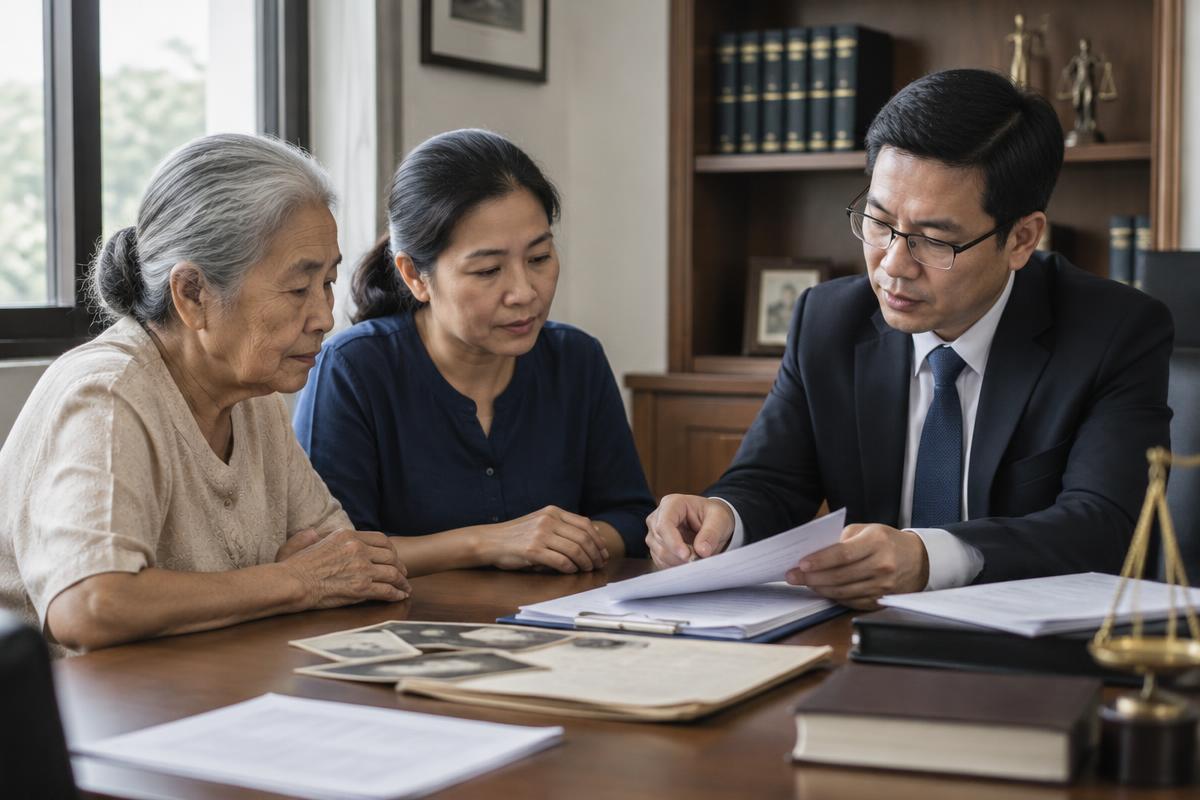
Estate work covers drafting a will in a valid form, petitioning the court to appoint an estate administrator, collecting and transferring estate assets such as land, bank accounts and shares, and managing disagreements between heirs. The firm checks civil-registration records and asset documents before setting the order of steps, because banks and land offices each ask for different proof.
Who this page is for
- Heirs whose bank or land office is asking for a court order appointing an administrator
- People who want a will prepared so their family does not face a dispute
- Families with several asset types across several provinces
- Heirs living abroad who need to act through a representative
- Families where the heirs disagree about how assets should be divided
What the firm actually handles
- Drafting wills in a form that meets Thai requirements
- Petitioning the court for appointment of an estate administrator
- Collecting estate assets and dealing with banks and the land office
- Transferring land, deposits, vehicles and shares to the heirs
- Advising on heir classes and shares where there is no will
- Representing heirs where the division is contested
Matters clients bring us
- A bank will not release a deceased parent's account without a court order
- Land held in the deceased's name must be transferred to several heirs
- A will exists but its form or witnesses are being questioned
- An heir abroad cannot attend and needs to appoint a representative
- Company shares form part of the estate and must be transferred
- Heirs disagree about who should be appointed administrator
Documents to bring to the first meeting
- Death certificate of the deceased
- House registration and ID card of the deceased and of the heirs
- Marriage or divorce records and birth certificates showing the family line
- The original will, if one exists
- Title deeds, bank passbooks, share certificates and vehicle registrations
- Consent letters from heirs who are not the petitioner, where available
If some documents are missing, send what you have. The lawyer will tell you which office issues the remaining ones and which documents need certified translation before they can be used.
How the work proceeds
- 1Bring the death certificate, family records and a list of known assets
- 2We map the heirs and confirm which assets need a court order
- 3We prepare the petition and gather the heirs' consents
- 4We file with the court with jurisdiction and attend the hearing
- 5Once the order is issued, we deal with banks and the land office
- 6We complete the transfers and hand over the closing documents
Pitfalls and common misunderstandings
A will in the wrong form can fail entirely
Thai law recognises several forms of will, each with its own requirements for witnesses and signatures. A will that does not meet the requirements of the form it purports to use is open to challenge exactly when it matters.
Family records decide who counts as an heir
Marriage records, legitimation and adoption all change the heir list. Where those records are incomplete or inconsistent, the petition stalls until the civil-registration documents are corrected or obtained.
Each asset holder has its own requirements
Banks, the land office and company registrars each ask for a different combination of the court order, identification and consents. Collecting them in one pass is faster than discovering the gaps one institution at a time.
With a will compared with no will
A will does not remove the need for an administrator in most cases, but it changes how the estate is divided and how much room there is for dispute.
| Point | Valid will exists | No will |
|---|---|---|
| How assets are divided | According to the will, within the limits of law | By statutory heir classes and shares |
| Administrator | Usually the person named, subject to the court's appointment | The court appoints from among the eligible applicants |
| Room for dispute | Lower where the form and wording are sound | Higher, particularly where family records are incomplete |
| Documents needed | Will, death certificate, family records, asset documents | Death certificate, complete family records, asset documents, heir consents |
| Common pitfall | A will that omits assets acquired later, or names an unwilling executor | Assumptions about who inherits that do not match the statutory classes |
Reviewing a will every few years, and after any major asset or family change, prevents most of the disputes we see.
Hand the whole matter to the firm
The firm can handle the estate from the first document check through to the final transfer: the petition, the hearing, the bank and land-office steps, and the certified translations or powers of attorney needed for heirs abroad.
Estates, Wills & Succession: frequently asked questions
- Why does the bank ask for a court order?
- Banks generally release a deceased account holder's funds only to a court-appointed estate administrator, because that order identifies who is legally entitled to act for the estate. The same applies to most land-office transfers, so the petition is usually the first practical step.
- How long does appointing an administrator take?
- It depends on the court's schedule, whether the family records are complete, and whether any heir objects. Missing or inconsistent civil-registration documents are the most common reason a petition takes longer than expected, so those are checked first.
- Can an heir who lives abroad take part?
- Yes. Consents and powers of attorney signed abroad can normally be used once they have been certified and, where required, translated and legalised. Some steps still need the appointed administrator to appear in person in Thailand.
- Does a foreigner's will cover assets in Thailand?
- A foreign will can be relevant, but using it for Thai assets usually requires translation, certification and a Thai court process, and its terms must work with Thai rules on land and heirship. Many people therefore also prepare a Thai will for their Thai assets.
- What if the heirs cannot agree?
- The matter becomes contested and the court decides on the appointment and, where necessary, on the division. Bringing the documents in early usually widens the options for a recorded agreement before the dispute hardens.
- Can a will be changed later?
- Yes. A will can be revoked or replaced while the testator has capacity. Problems arise when several versions exist without clear dates or without revoking the earlier ones, so keep the record of which document is current.
- Are debts of the deceased inherited?
- Estate liabilities are settled from the estate. Heirs are not personally liable beyond what they receive, but the administrator has to account for debts before distribution, which is why the asset and liability list matters at the start.
- Should a will name the assets individually?
- Naming key assets helps, but a will that lists only current assets can leave later acquisitions unaddressed. A combination of specific gifts and a clear residuary provision is usually more durable, and it should be reviewed after major changes.
Practice areas often handled together with this one
- Family Law
Marriage, prenuptial agreements, divorce, child custody and support
- Property & Real Estate
Title checks, sale and purchase, leases and condominium transfers
- Notarial Services & International Documents
Notarial Services Attorney, certified translation and legalisation for use abroad
Speak with the lawyer responsible for Estates, Wills & Succession
เล่าเรื่องหรือส่งภาพเอกสารมาให้ทีมงานตรวจเบื้องต้น ทนายจะแจ้งแนวทาง เอกสารที่ต้องใช้ กำหนดเวลาที่ต้องระวัง และค่าบริการเป็นลายลักษณ์อักษรก่อนเริ่มงาน